Handala Hack Team: Why Iran-Linked Group Leaked Kash Patel's Old Emails
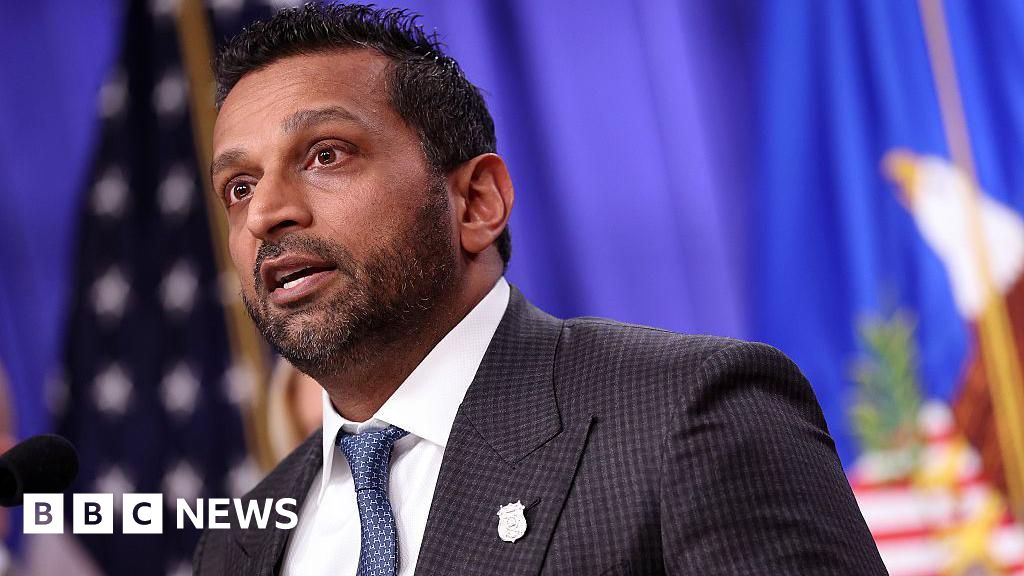
In a significant cybersecurity incident that reverberated through national security circles, the Handala Hack Team, an entity confirmed to have ties to Iran, recently claimed responsibility for breaching the personal email account of Kash Patel, a prominent figure then nominated to lead the FBI. The group subsequently released a trove of what it asserted were Patel’s old emails, including personal photos and his resume, sparking a fresh wave of concern over the vulnerability of high-profile individuals to state-sponsored cyberattacks. While the FBI confirmed the targeting of Patel's email information, it quickly clarified that the compromised data was "historical in nature and involves no government information." This incident, however, raises critical questions about the motivations behind such breaches and the enduring risks associated with personal digital security, even for those at the highest levels of government.
The Handala Hack Team: Unmasking the Threat Actor
The Handala Hack Team is far from a new player in the volatile world of cyber warfare. Identified by the US Justice Department as being intricately linked to Iran's Ministry of Intelligence and Security (MOIS), this group operates with clear strategic objectives. Their activities extend beyond mere data theft; they are known for spreading "terrorist propaganda," conducting "attempted psychological operations targeting adversaries of the regime," and taking credit for a range of hacking activities. The audacious leak of Kash Patel's emails fits squarely into this pattern of operations, designed to sow distrust, embarrass adversaries, and project an image of formidable cyber capabilities.
Following the breach, the Handala Hack Team posted Patel's purported resume and various personal photos on their website, accompanied by a defiant statement: "This is just our beginning." They boasted that the "so-called 'impenetrable' systems of the FBI were brought to their knees within hours by our team," attempting to discredit US government cybersecurity. However, this claim was quickly countered by experts who pointed out the distinction between government and personal systems. The US government has responded robustly to Handala's activities, seizing several domain names allegedly used for these schemes and offering a substantial reward of up to $10 million for information leading to the identification of the group's members. For a deeper dive into the immediate aftermath and agency responses, you can read more about the FBI Director Kash Patel's Emails Breached by Iran-Linked Hackers.
The Nature of the Breach: What Was Exposed in Kash Patel's Emails?
A preliminary review of the leaked material suggests that the compromised Kash Patel emails date primarily from around 2011 to 2022. This extensive timeline indicates that the breach was likely not a fresh infiltration but rather the exploitation of an older vulnerability or a recycled compromise from a previous period. Experts like Cynthia Kaiser, Senior Vice-President at Halcyon Ransomware Research Center and a former FBI official, lean towards the latter, suggesting the emails "look very old" and likely stem from an earlier compromise by another group, now repurposed and released by Handala.
The content itself appears to be highly personal, encompassing a range of personal, business, and travel correspondence. More visually striking were the photos circulated on social media, watermarked with Handala's logo. These images depicted Patel in various informal settings: beside a vintage convertible, smiling next to a jet, smoking and sniffing cigars, taking a selfie next to a bottle of liquor, and posing in what appear to be restaurants and hotels. While seemingly innocuous, such photos, when presented by a hostile entity, are intended to create a narrative, however distorted, that serves their agenda. Crucially, the FBI reiterated that this information was "historical in nature and involves no government information," aiming to reassure the public that sensitive national security data remained secure.
Beyond the Headlines: Why Target Personal Accounts of High-Profile Officials?
The targeting of Kash Patel's emails, specifically his personal account, highlights a critical vulnerability that state-sponsored hackers frequently exploit. While government systems are typically fortified with layers of advanced cybersecurity defenses, personal accounts often lack the same stringent protections. As Dave Schroeder, Director of National Security Initiatives at the University of Wisconsin–Madison, aptly notes, "Personal accounts don't have the same level of protection and alerting as government systems, so these are often an attractive target for hackers." This disparity makes personal email accounts a softer, yet still valuable, target for adversaries.
The motivations behind such attacks are multi-faceted:
- Psychological Warfare and Propaganda: By publicly claiming to have breached the accounts of senior officials, groups like Handala aim to project strength and competence, simultaneously undermining public trust in government cybersecurity. Their claims of bringing "impenetrable" systems to their knees, even if exaggerated regarding government networks, serve their propaganda objectives.
- Embarrassment and Discrediting: Leaking personal photos or correspondence, regardless of their intrinsic sensitivity, can be used to embarrass officials, question their judgment, or create distractions. Even historical data can be spun into a narrative that suits the attacker's agenda.
- Intelligence Gathering: While the FBI stated no government information was involved, personal emails can still yield valuable intelligence. Details about an official's travel, social circles, personal habits, or even past business dealings could be exploited for blackmail, phishing campaigns, or to build a more comprehensive profile for future targeting.
- Testing Defenses: Sometimes, these attacks serve as a low-risk way to probe and test the cybersecurity posture surrounding an individual or organization, gathering reconnaissance for potentially more significant future operations.
The incident underscores the growing trend of adversaries weaponizing information from personal digital lives to achieve strategic aims. For further insights into these specific risks, you can consult our article on Kash Patel Email Hack: Exposing Officials' Personal Account Risks.
Safeguarding Digital Identities: Lessons from the Kash Patel Email Leak
The Handala Hack Team's breach of Kash Patel's emails serves as a stark reminder that no one, regardless of their public stature or security clearance, is entirely immune to cyber threats. For high-profile individuals, in particular, the consequences of a personal email compromise can extend far beyond individual privacy, potentially impacting national security and public trust. Therefore, adopting robust cybersecurity practices is paramount.
Here are actionable tips for enhancing personal digital security:
- Implement Multi-Factor Authentication (MFA): This is arguably the single most effective defense. Even if your password is stolen, MFA (e.g., via an authenticator app, hardware key, or SMS code) prevents unauthorized access. Enable it on *all* email, social media, banking, and other critical accounts.
- Use Strong, Unique Passwords: Avoid reusing passwords. Employ long, complex passphrases (e.g., "TheQuickBrownFoxJumpedOverTheLazyDog!") for each unique account. A reputable password manager can help you generate, store, and manage these securely.
- Separate Personal and Professional Accounts: Maintain distinct email addresses, devices, and online habits for work and personal life. Never use a personal email for government or sensitive business communications.
- Be Wary of Phishing: Always scrutinize emails, especially those asking for personal information, login credentials, or urging you to click on links. Hackers often craft convincing phishing attempts to trick individuals into revealing sensitive data.
- Regularly Update Software: Keep your operating system, web browsers, antivirus software, and all applications updated. Software updates frequently include patches for newly discovered security vulnerabilities.
- Review Privacy Settings: Periodically check and tighten privacy settings on all social media and online accounts to limit the amount of personal information publicly accessible.
- Back Up Important Data: While it won't prevent a hack, regular backups can mitigate the impact of data loss.
- Consider Encrypted Communications: For highly sensitive personal discussions, utilize end-to-end encrypted messaging apps.
The compromise of Kash Patel's personal emails by an Iran-linked group underscores the persistent and evolving nature of cyber threats. While the leaked information was historical and did not involve government secrets, the incident serves as a powerful illustration of how adversaries leverage vulnerabilities in personal digital lives for geopolitical gain. It reinforces the critical need for individuals, particularly those in sensitive positions, to adopt an uncompromising approach to their cybersecurity, understanding that every personal account represents a potential vector for national security concerns. By prioritizing strong digital hygiene and embracing advanced security measures, we can collectively build a more resilient defense against malicious actors like the Handala Hack Team.